
24.09.2026
Sustainable Compass Enters the Indian Market
18.09.2026
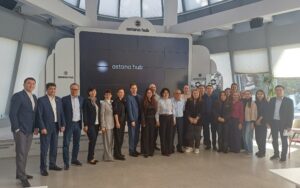
Strategic Agenda for IT Business Development Discussed in Astana
10.09.2026
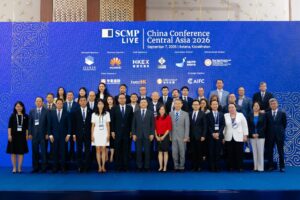
GPI at China Conference: Central Asia 2026


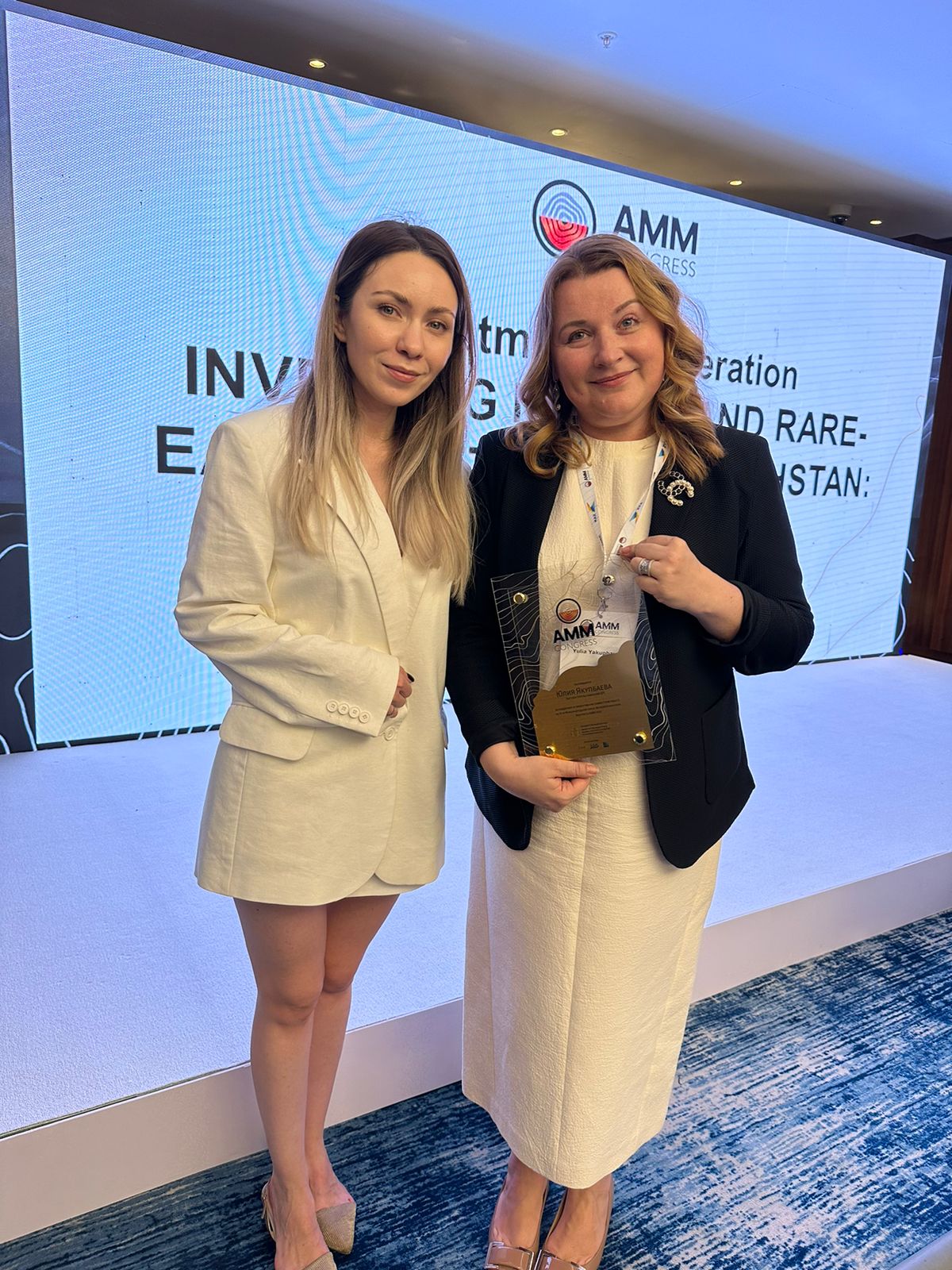
On June 2, as part of the Astana Mining & Metallurgy (AMM) Congress — the largest event in the mining and metallurgical industry — a session titled “Best Examples of Social Responsibility Through the Lens of Sustainable Development” was held, moderated by Yuliya Yakupbayeva.
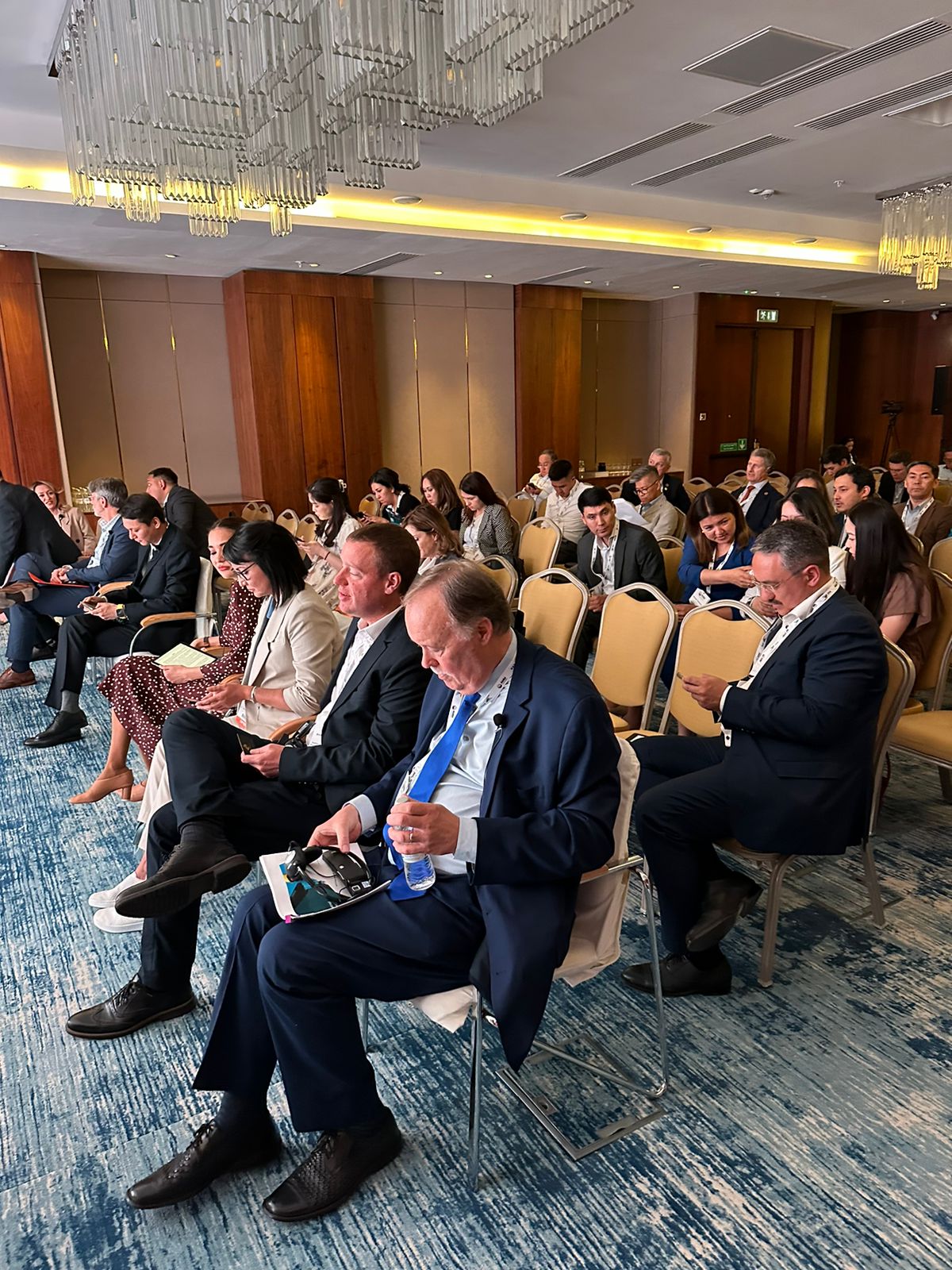
“Corporate social responsibility has long ceased to be simply about creating jobs and paying taxes. In the new normal, to earn the status of a ‘responsible’ company, an organization needs to establish dialogue with its key stakeholders, maintain non-financial reporting, implement digitalization, and calculate its carbon footprint.
At the same time, our understanding of the role companies play in the regions where they operate is being reshaped. It is important to avoid the phenomenon of greenwashing, in which management declares initiatives without actually embedding ESG into its operations. I am very pleased that today’s session brought together representatives of genuinely responsible companies,” noted Yulia Yakupbayeva, co-founder of the ESG Club and partner at GPI Group.
The session brought together speakers who illustrated examples of social responsibility from various angles and discussed the following questions:
All speakers noted growing demand for quality of life in the regions. People want to live comfortably, want to be heard, want access to resources, want to breathe clean air, and want comfortable spaces to spend leisure time with their children. This is clearly reflected in the results of Kazakhstan’s City Rating, presented by Ruslan Sultanov, Chairman of the Center for Economic Research.

Participants also discussed Eurasian Group LLP’s experience implementing the People’s Participation Budget in its regions of operation (Tugan Kala) and the social impact of these initiatives:
“Tugan Kala is a project in which city residents become the owners of their courtyard spaces through engagement. Through the project, residents develop a sense of belonging and genuine concern for their city, along with a belief that they can make a difference — and that there are clear mechanisms and opportunities for doing so,” noted Madi Ismailov, Head of Government Relations at Eurasian Group LLP.
Session participants noted that examples of social initiatives implemented by companies span a wide range of fields: education (AltynAlmas, the Sabi Foundation, B2Gold), healthcare and ecology (the Sabi Foundation), greening (ArcelorMittal Temirtau), research and emissions capture (Narxoz University), and digitalization and digital twins (Geovia Dassault Systèmes), among others.
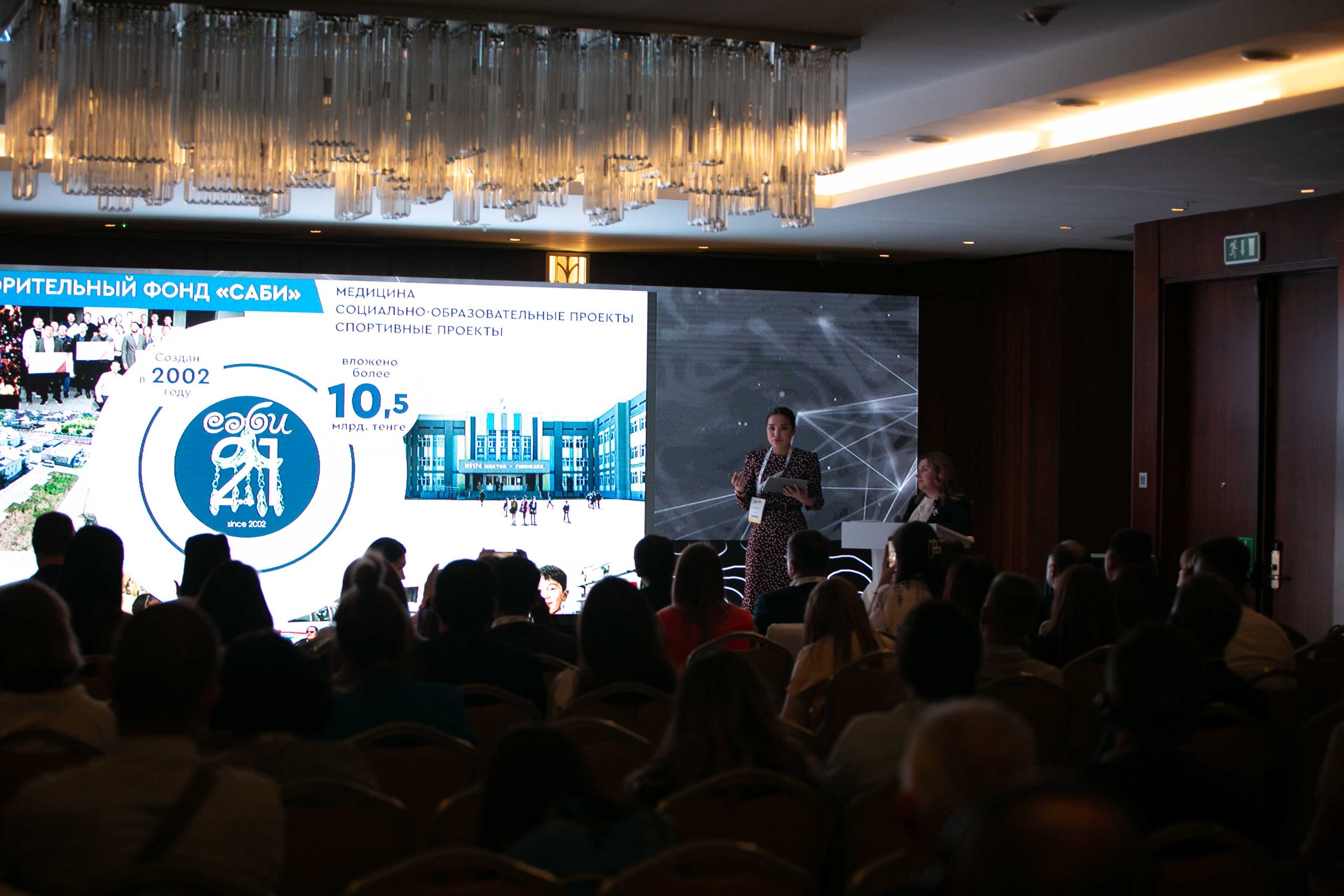
“In my view, one of the hallmarks of a progressive society is its attitude toward charity and the involvement of citizens in the social life of their country. This is what a strong civil society looks like, and the community of foundations and volunteers is essentially a micro-model of a strong civil society,” noted Asel Tasmagambetova, President of the private charitable foundation Sabi.
At the end of the session, speakers offered recommendations on how to implement social initiatives more effectively and emphasized the importance of such events, since discussing the successful experience of responsible companies is precisely what accelerates development and expands the scope of such projects.
For reference: Speakers at the session included: Ruslan Sultanov — Chairman of the Board of the Institute of Economic Research JSC; Asel Tasmagambetova — President of the private charitable foundation Sabi; Madi Ismailov — Head of Government Relations at Eurasian Group LLP; Saniya Arapova — Vice President of the Association of Friends of Tel Aviv University in Kazakhstan; Gulnara Stamkulova — Director of Social Responsibility at ArcelorMittal Temirtau JSC; Timur Mursalimov — Director of the ESG Department at AltynAlmas JSC; Brendan Duprey — Director and Founder of the Sustainable Kazakhstan Research Institute (SKRI), Associate Professor of the Department of Society, Technology and Environment; Neil Reader — Senior Vice President, B2Gold; and Mauro Dellemonache — General Director, Geovia Dassault Systèmes.

Wait for a call from our expert — we are already preparing the best solutions for you

Try submitting the application again. If the error appears again, please contact us directly: +7 717 225 84 84