
24.09.2026
Sustainable Compass Enters the Indian Market
18.09.2026
Strategic Agenda for IT Business Development Discussed in Astana
10.09.2026
GPI at China Conference: Central Asia 2026


On July 4, as part of the anniversary Green Energy & Waste Recycling forum, a session titled “‘Sustainable’ Cities: Global Solutions and Practices on Waste” was held, moderated by Yuliya Yakupbayeva, co-founder of the ESG Club and partner at GPI Group.
The main topics of discussion included:
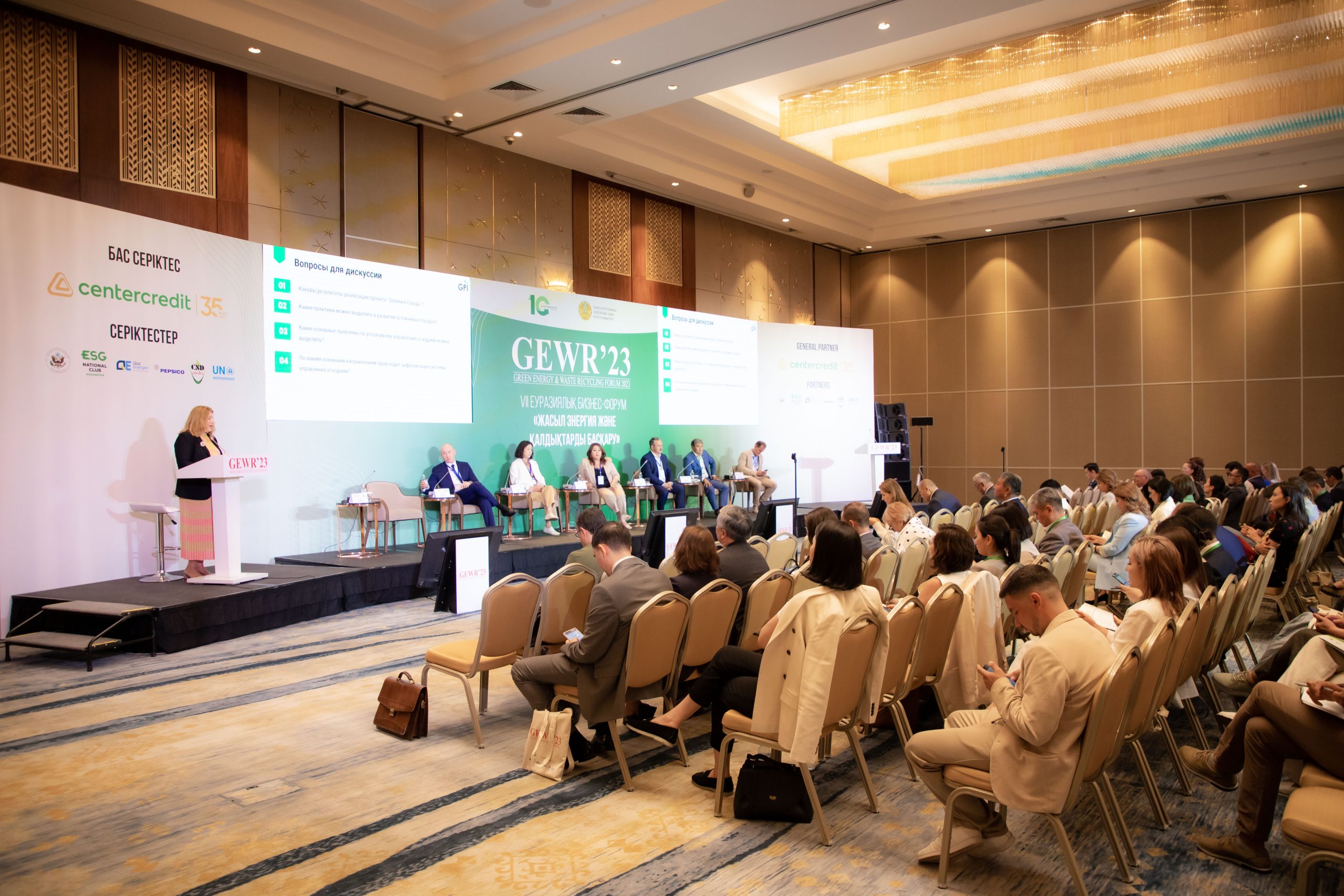
“Kazakhstani cities live within the paradigm of a linear economy: take resources — make a product — throw it away. This approach is outdated; it inevitably leads to the accumulation of waste across all areas of life and production and to the formation of environmental problems. A shift toward a circular approach — in which products are designed without waste and pollution from the outset, reused, and managed through best waste-management practices — allows cities and industries to become sustainable and improves the quality of the environment,” noted Yuliya Yakupbayeva, moderator of the session.
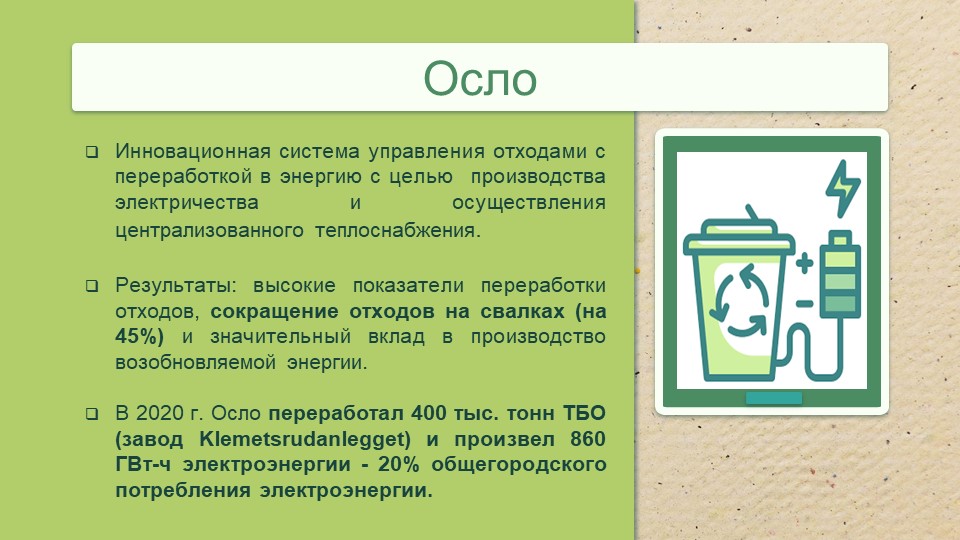
Yerlen Badykhan, National Economy and Environment Specialist at the Organization for Security and Co-operation in Europe (OSCE), spoke about best waste management practices in OSCE countries. For example, in Zurich, the municipal solid waste recycling rate is 50%, while in Ljubljana it is even higher, at 60%. In Oslo, the waste management system allows waste to be converted into energy for electricity generation and district heating.
“Today, the EBRD operates a ‘Green Cities’ development program. We have already launched a number of projects in Almaty focused on the following areas: energy efficiency, sustainable (green) transport, water supply and sanitation, blue-green infrastructure, and waste management. The total capital expenditure for implementing projects under the program in Almaty amounts to EUR 1.284 million,” noted Maira Karasayeva, Lead Banker at the European Bank for Reconstruction and Development (EBRD).
An online audience poll on necessary waste management practices in cities showed strong audience engagement (over 100 responses). Based on participants’ recommendations, a comprehensive word cloud emerged that could serve as the basis for an entire waste management program. Suggestions included:
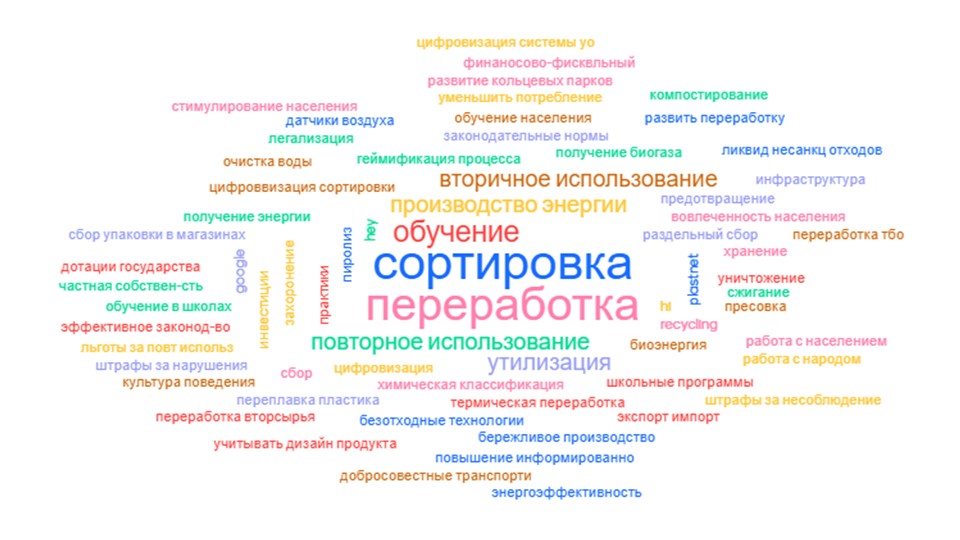
Given the high relevance of the issues raised and the need for professional discussion on all aspects of waste management (not only household waste, but also industrial, construction, and electronic waste), discussion participants proposed including in the forum’s resolution a proposal to develop a Comprehensive Waste Management Program.
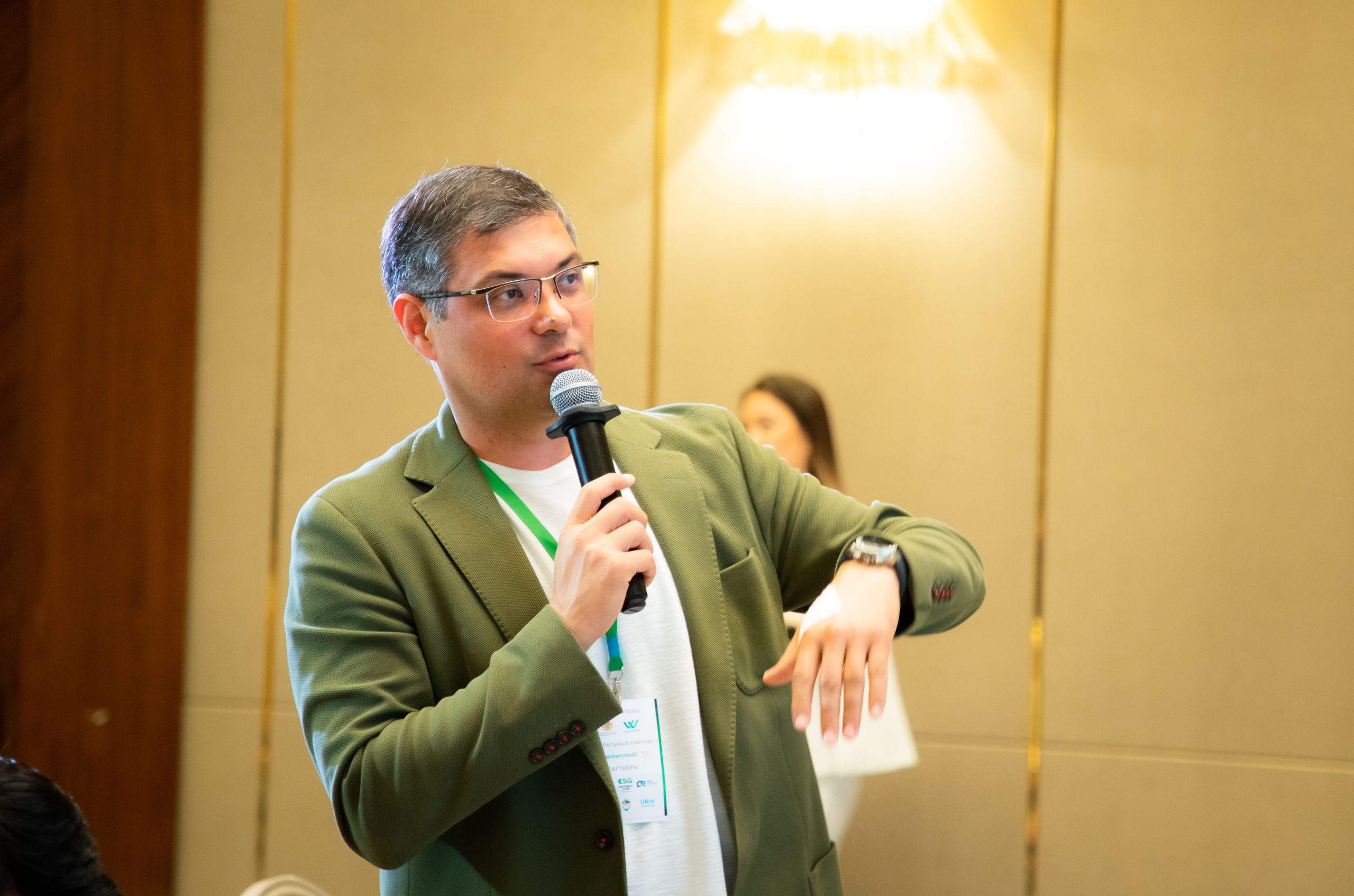
Ruslan Sultanov, Head of the Institute of Economic Research, presented the results of the 2022 City Rating, with a focus on the work of municipal services:
“Our rating used 89 indicators, of which 53 were statistical data and 36 were results of a public survey. According to the survey results, residents least satisfied with the work of municipal services (garbage collection, street cleaning) were in the cities of Semey (25th place), Aktobe (24th place), and Kokshetau (23rd place),” shared the Head of the Institute of Economic Research.
Ruslan Sultanov supported the initiative to develop recommendations on the set of issues related to sustainable waste management practices within the framework of a Working Group on Urban Development being created. This working group is being established at the Institute of Economic Research on the initiative of the Green Urban community. It is expected to become an important platform for preparing quality documents to improve quality of life in cities, including the City Rating.
For reference:
Speakers at the session included: Ruslan Sultanov — Chairman of the Board of the Institute of Economic Research JSC; Yerlen Badykhan — National Economy and Environment Specialist at the Organization for Security and Co-operation in Europe (OSCE); Maira Karasayeva — Lead Banker at the European Bank for Reconstruction and Development (EBRD); Asel Murzabayeva — Head of the Waste Management Department at the Ministry of Natural Resources, Ecology and Technical Supervision of the Kyrgyz Republic; Esenzhan Shaudanov — Deputy Director of Spetsavtobaza LLP, Atyrau; and Vitaliy Pustovoytenko — Deputy Director for IT Architecture at the Center for Sustainable Development of the Capital LLP, and Head of the IT Committee of the Green Urban community.

Wait for a call from our expert — we are already preparing the best solutions for you

Try submitting the application again. If the error appears again, please contact us directly: +7 717 225 84 84