
24.09.2026
Sustainable Compass Enters the Indian Market
18.09.2026
Strategic Agenda for IT Business Development Discussed in Astana
10.09.2026
GPI at China Conference: Central Asia 2026

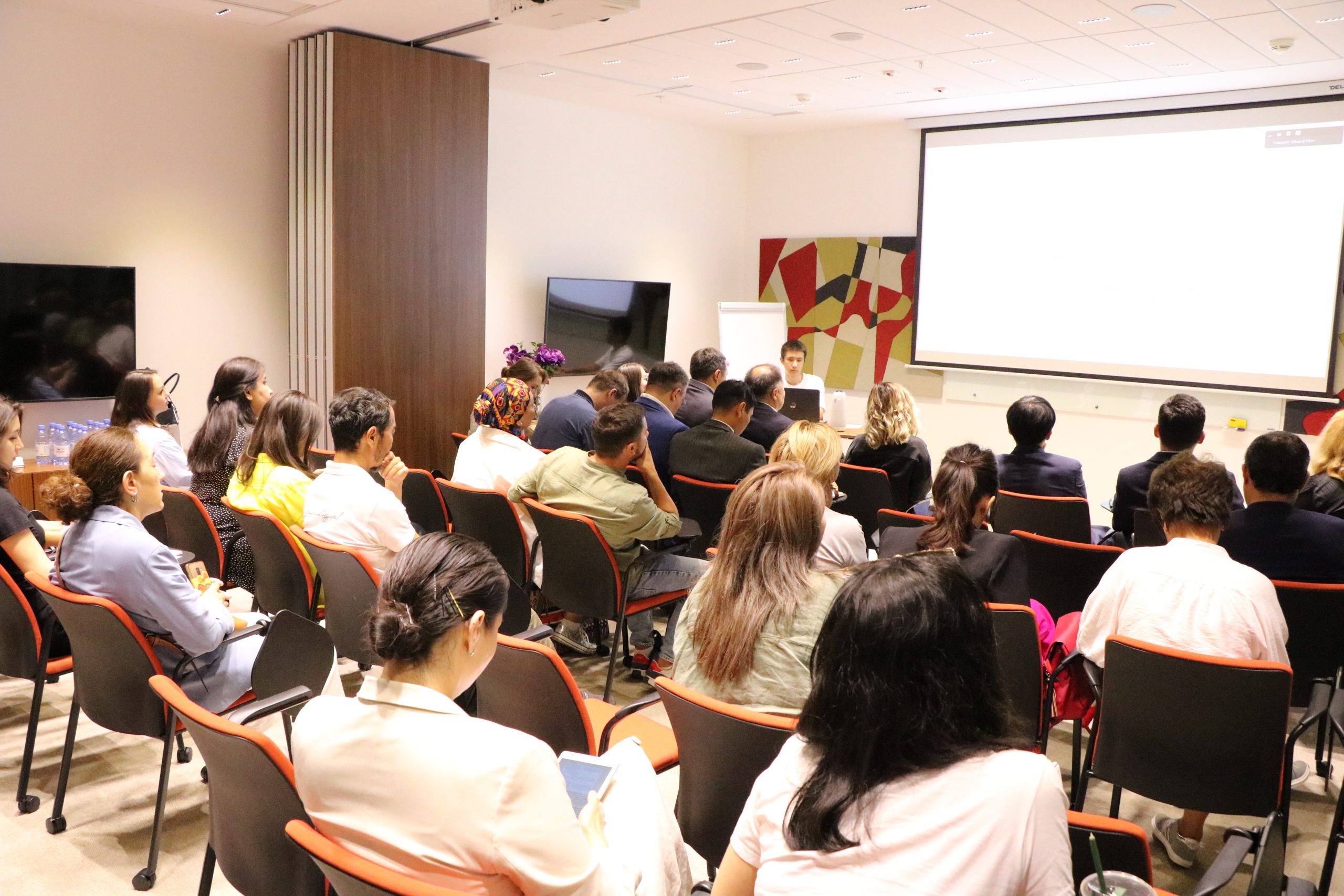
On July 20, the Green Urban community held another meeting of its committee in a format that is becoming increasingly popular among participants and listeners — Urban Talk.
Opening the meeting, Yuliya Yakupbayeva, Chair of the Green Urban community, noted that residents’ need for participatory urban planning is growing. Regardless of a city’s size, people need a city that develops according to rules where the city serves the person, not the other way around — quoting the words of the Head of State at the forum “25th Anniversary of Astana: New Prospects, New Opportunities.”
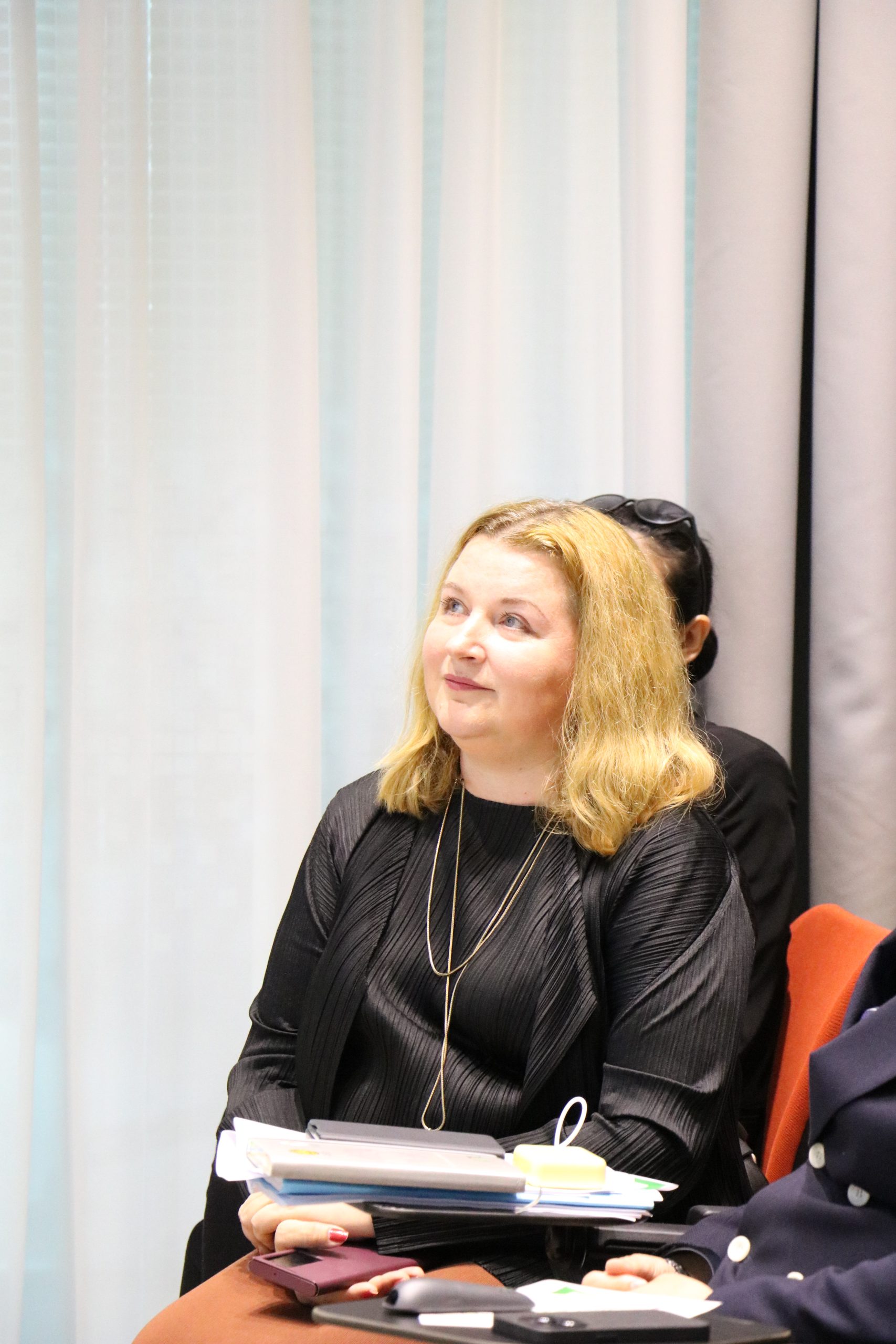
What mechanisms allow citizens to influence urban improvement, is there successful experience of projects implemented with public participation, and how can a city gather and hear residents’ concerns — these questions sparked a lively discussion among participants.
Eduard Titov, head of the Green Urban project team, spoke about the implementation of the “People’s Participation Budget” program.
Of interest:
Participatory budgeting is a form of citizen involvement in decisions on the allocation of budget funds, which includes: discussion of budget issues; participation of local government representatives; public discussion through special meetings, commissions, and online platforms; and organization of public reporting.
In Kazakhstan, the “People’s Participation Budget” project has operated in all major cities since 2020. A unified portal has been developed, and modules for accepting citizen applications have also been launched on local executive body (akimat) websites. However, public participation levels still leave much to be desired. Among the program’s shortcomings, the speaker highlighted:
The Green Urban committee’s project team analyzed Kazakhstan’s practice as well as international experience and developed specific proposals to improve the program that would encourage greater public involvement. Following the meeting, these proposals are planned to be worked through with the relevant government agencies, and specific mechanisms will be proposed, Yuliya Yakupbayeva summarized.
The country already has individual successful examples of collaboration between business, local authorities, and the public, where the participation of active and caring citizens gave significant impetus to urban development.
Madi Ismailov, Head of Government Relations at ERG; Saniya Arapova, Vice President of the “Association of Friends of Tel Aviv University in Kazakhstan”; and M.B. Zenova, Deputy Akim of the city of Aksu, spoke about the “Tugan Kala” project, aimed at developing practices for involving citizens in improving the urban environment in ERG’s cities of presence: Oktyabrsky, Kachar, Rudny, Aksu, and Khromtau. The project has transformed these single-industry towns and involves residents and local self-government bodies in the process.
For example, in 2022 the program included 43 improvement projects, selected out of 280 applications. Winning projects included children’s and sports playgrounds, public spaces, cultural facilities, roads and urban infrastructure, and more. All of these projects have been or will be implemented using sponsorship funds from ERG.
The “Tugan Kala” program continues today. Projects are developed by residents themselves during project sessions, with voting conducted online through the portal. ERG is allocating 430 million tenge for project implementation in 2023.
Alongside the obvious socio-economic effects, speakers noted that thanks to citizen engagement, the courtyards and streets of these single-industry towns have been transformed, and residents received exactly the facilities they needed for a more comfortable life.
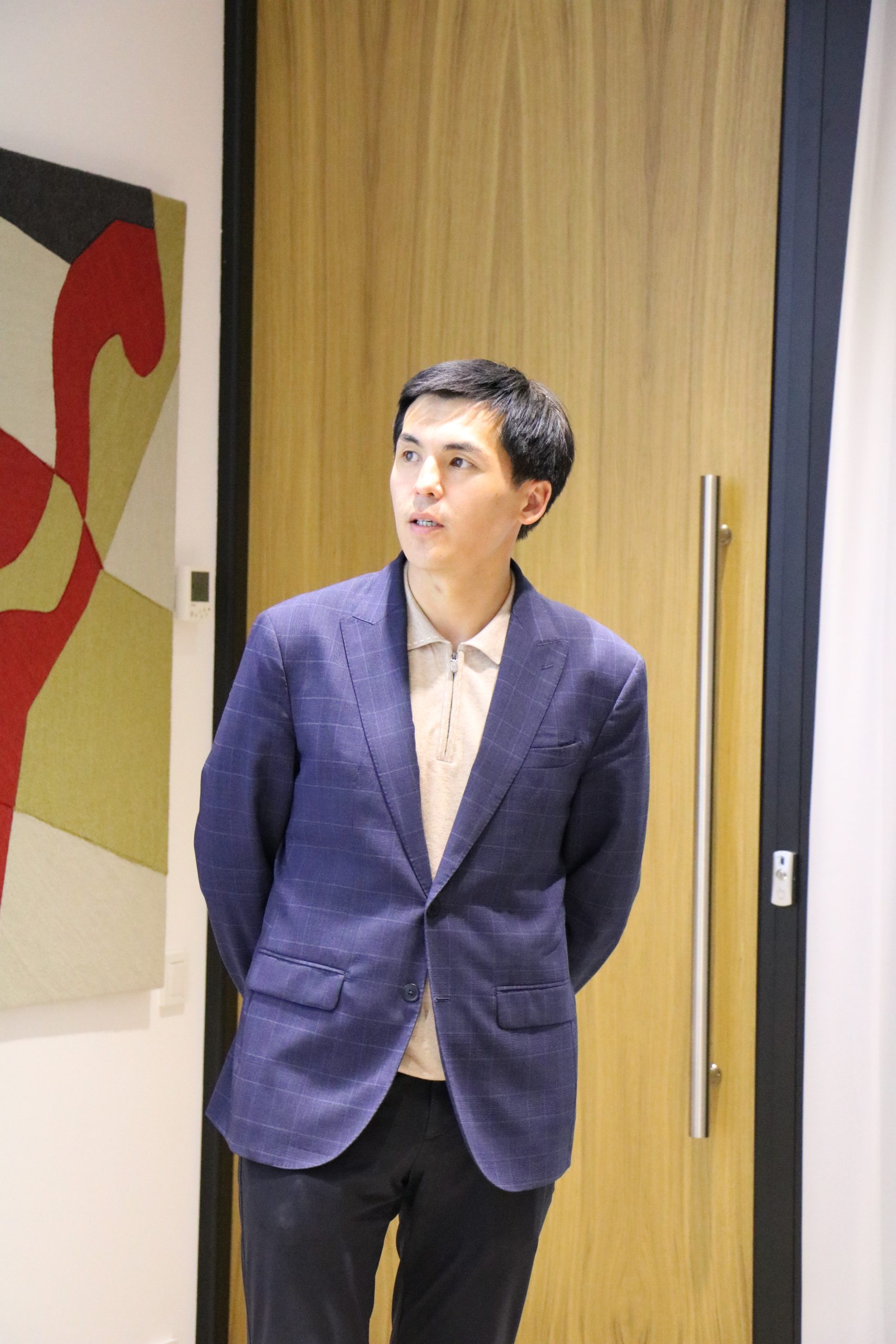
“How to build a brand for Kazakhstani cities, along with specific examples of neighborhood improvement in Astana” — this was the focus of the presentation by Yelnar Bazyken, Head of the Astana Urbanism Center.
“Today we are observing significant pendulum migration, and a key factor for talent relocation is a city’s comfortable urban environment. This year, the city plans to plant more than 1 million green plantings, create under-bridge connections, develop public spaces and streets, and create attraction centers across the city’s districts,” noted Yelnar Bazyken.
The opportunities and mechanisms for citizen participation in the development of their home city generate enormous interest. Participants in the discussion concluded that residents’ happiness levels can be raised even through small projects (a dog park, a skate park, a running trail, a well-equipped swimming area, and so on). However, it is important to conduct analytical measurements and communicate with the population, which is often not done.
The Green Urban community platform brings together business, urban planners, experts, and representatives of public organizations to discuss concrete solutions.
We invite you to join the Green Urban community and develop cities together!

Wait for a call from our expert — we are already preparing the best solutions for you

Try submitting the application again. If the error appears again, please contact us directly: +7 717 225 84 84