
24.09.2026
Sustainable Compass Enters the Indian Market
18.09.2026
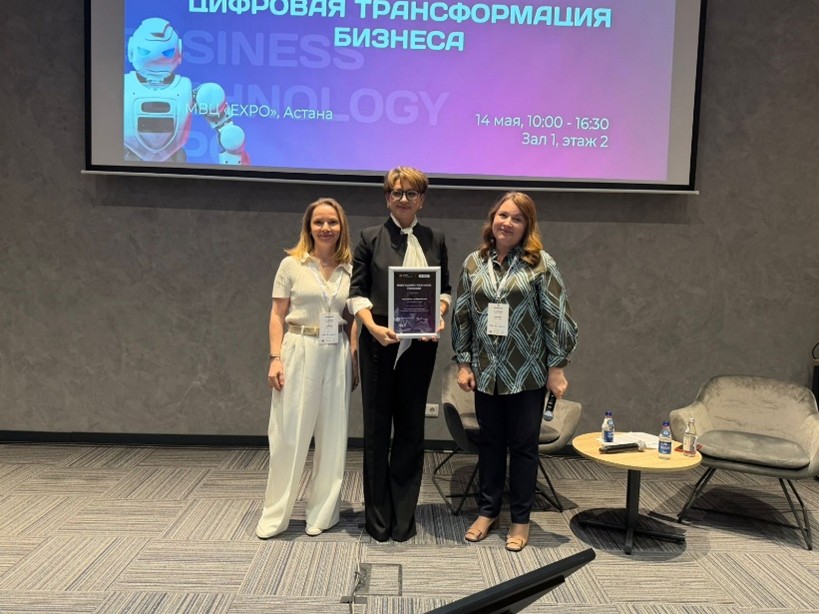
Strategic Agenda for IT Business Development Discussed in Astana
10.09.2026
GPI at China Conference: Central Asia 2026


The first part of the article is available at the link.
Continuing the discussion on customer experience and service transformation, Tatyana Saifarova presented the transformation case of the Kazakhtelecom contact center:
“The contact center is no longer merely a cost center—it is becoming a business unit that manages customer value, retention, and revenue. Our goal is to identify the underlying cause behind every customer inquiry, assess the risk of churn, and recognize every opportunity to retain the customer,” the speaker noted.
A significant part of the presentation focused on customer feedback as a driver of organizational change. According to the speaker, customer inquiries are increasingly becoming a valuable source of information on process quality, product limitations, and the underlying causes of potential customer churn:
“The contact center’s greatest asset is not only its operators and technologies, but the customer insights generated every day. The contact center has begun directly influencing product teams by identifying the changes that need to be made.”
Tatyana Saifarova’s point about the crucial role of leadership in driving transformation was echoed by the other speakers:
“Step 1: Executive commitment. We secured the full support of the Chairman of the Management Board. Without that, transformation is nothing more than wishful thinking.”
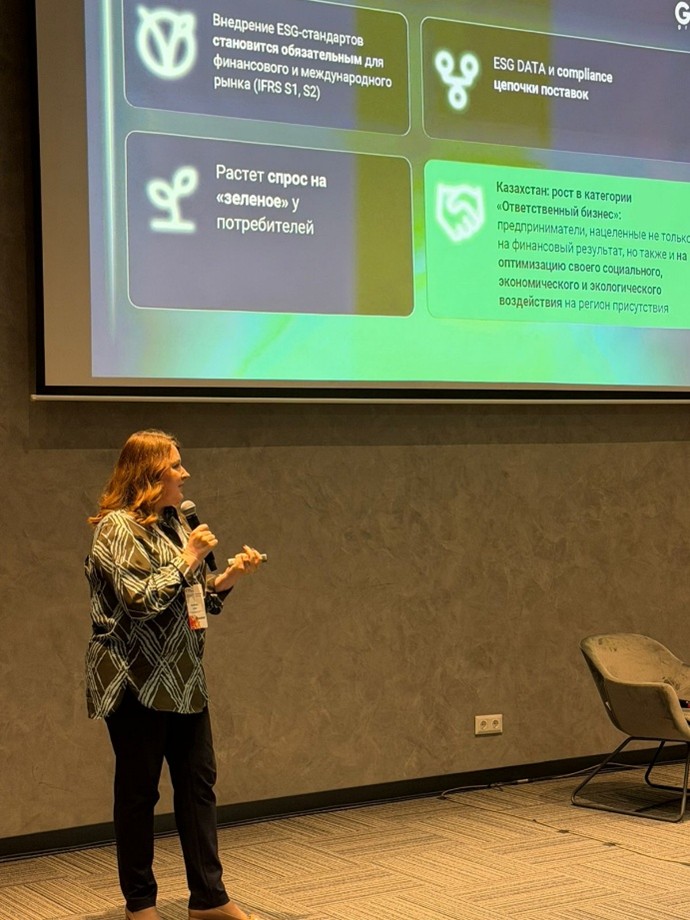
Particular attention was also given to the digitalization of ESG processes and supply chains. Yuliya Yakupbayeva presented the Sustainable Compass case study and highlighted a challenge that companies are increasingly facing: transparency requirements for supply chains are growing faster than businesses’ ability to manage them.
According to the speaker, the market is currently constrained by several factors at once, including a shortage of in-house ESG expertise, reliance on external consultants, and the lack of convenient digital tools that provide a comprehensive, single-window view of suppliers, risks, and processes.
The presentation explored how digitalization enables companies to move ESG management beyond fragmented spreadsheets and manual audits toward an integrated system featuring transparent analytics, automated diagnostics, and a unified approach to supplier assessment. Special emphasis was placed on the fact that for large enterprises and export-oriented companies, supply chain management is gradually becoming not only a matter of sustainability but also a prerequisite for access to international markets and contracts.
Concluding the session, participants noted that digitalization now has a direct impact on business performance, and that the greatest results are achieved where there is a clearly defined business need, measurable KPIs, and strong leadership engagement.
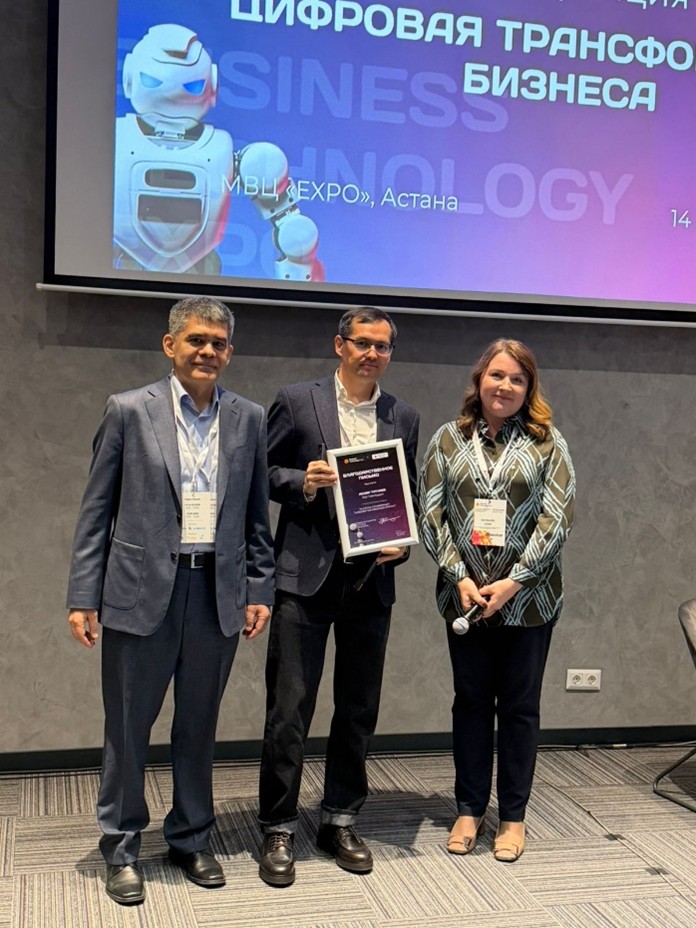
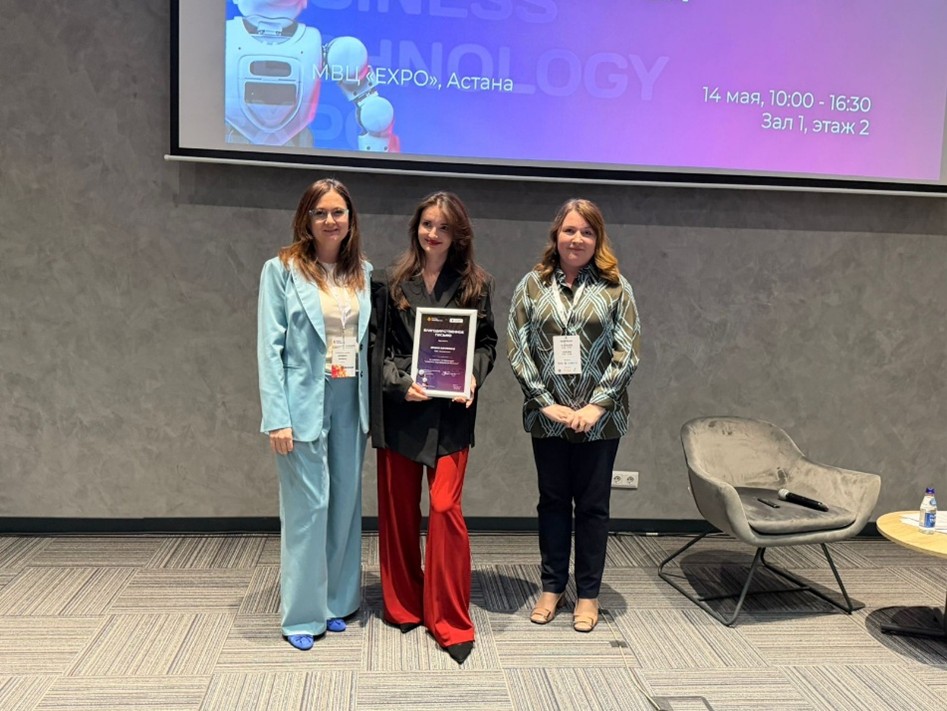
For reference, the session also featured:
The first part of the article is available at the link.

Wait for a call from our expert — we are already preparing the best solutions for you

Try submitting the application again. If the error appears again, please contact us directly: +7 717 225 84 84